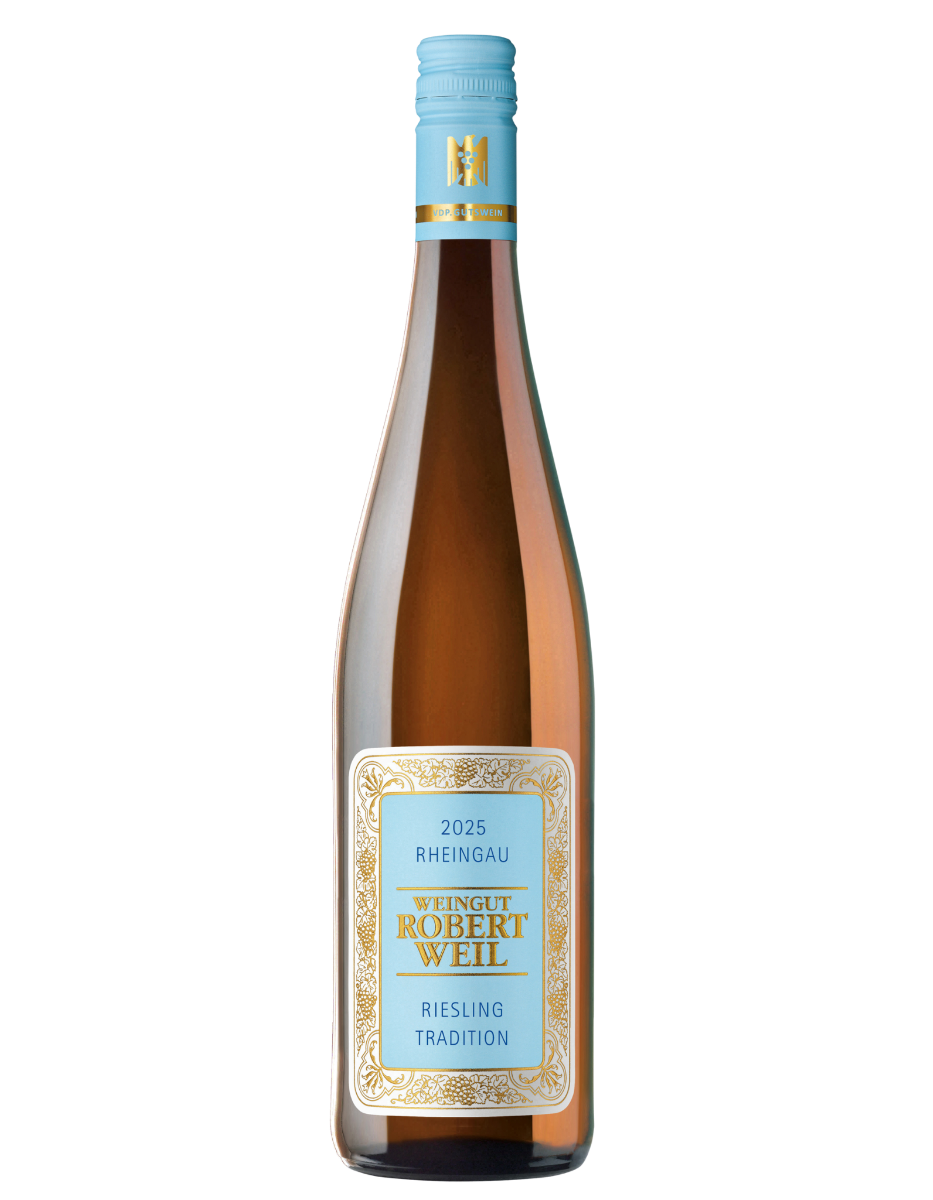
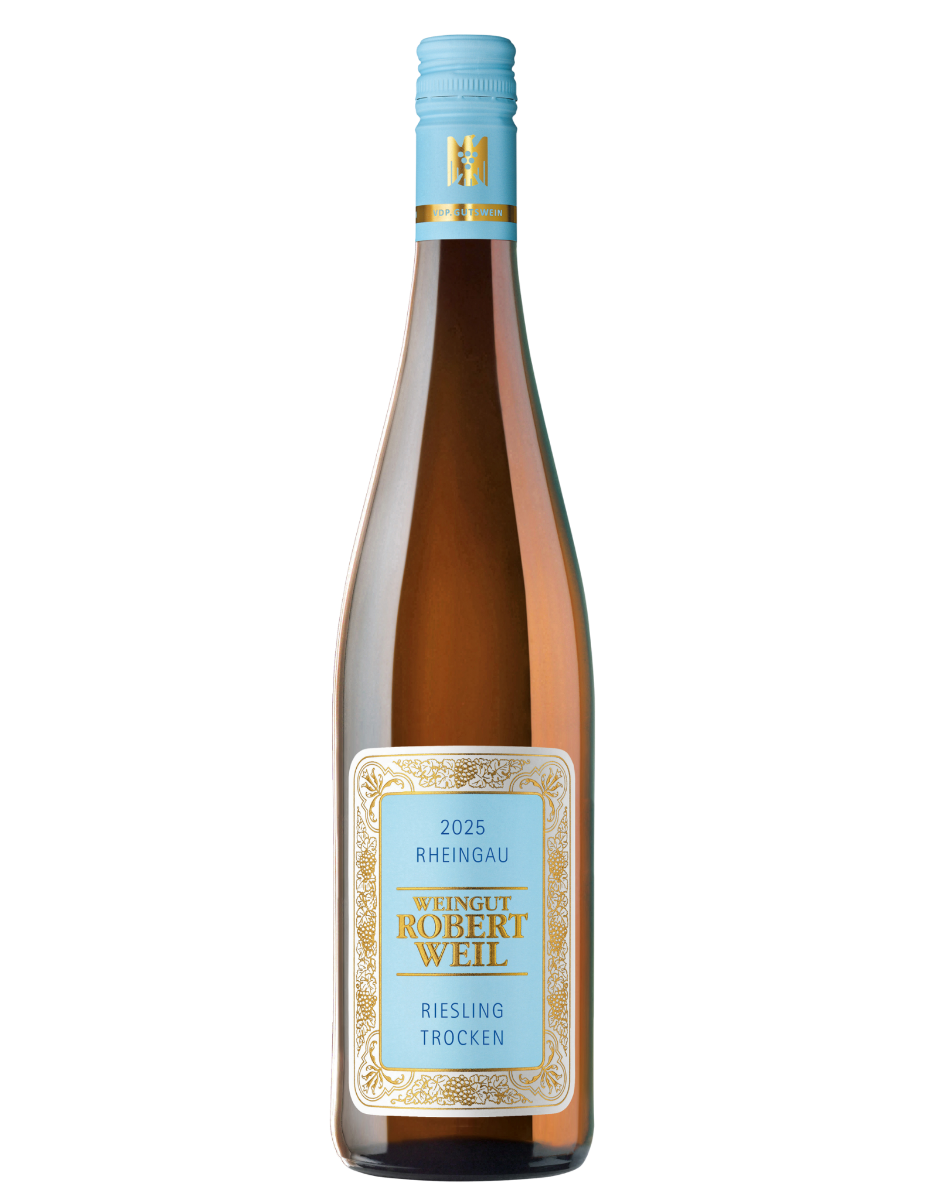
Producer

Weingut Robert Weil

  • Established1868
  • OwnershipPartnership
Weingut Robert Weil

About the producer

Their story

Weingut Robert Weil in Kiedrich is one of the Rheingau's most famous Riesling estates: founded in 1867, run by the founder's great-grandson Wilhelm Weil, and known for the Tiffany-blue label and its three hillside sites Klosterberg, Turmberg and Gräfenberg.

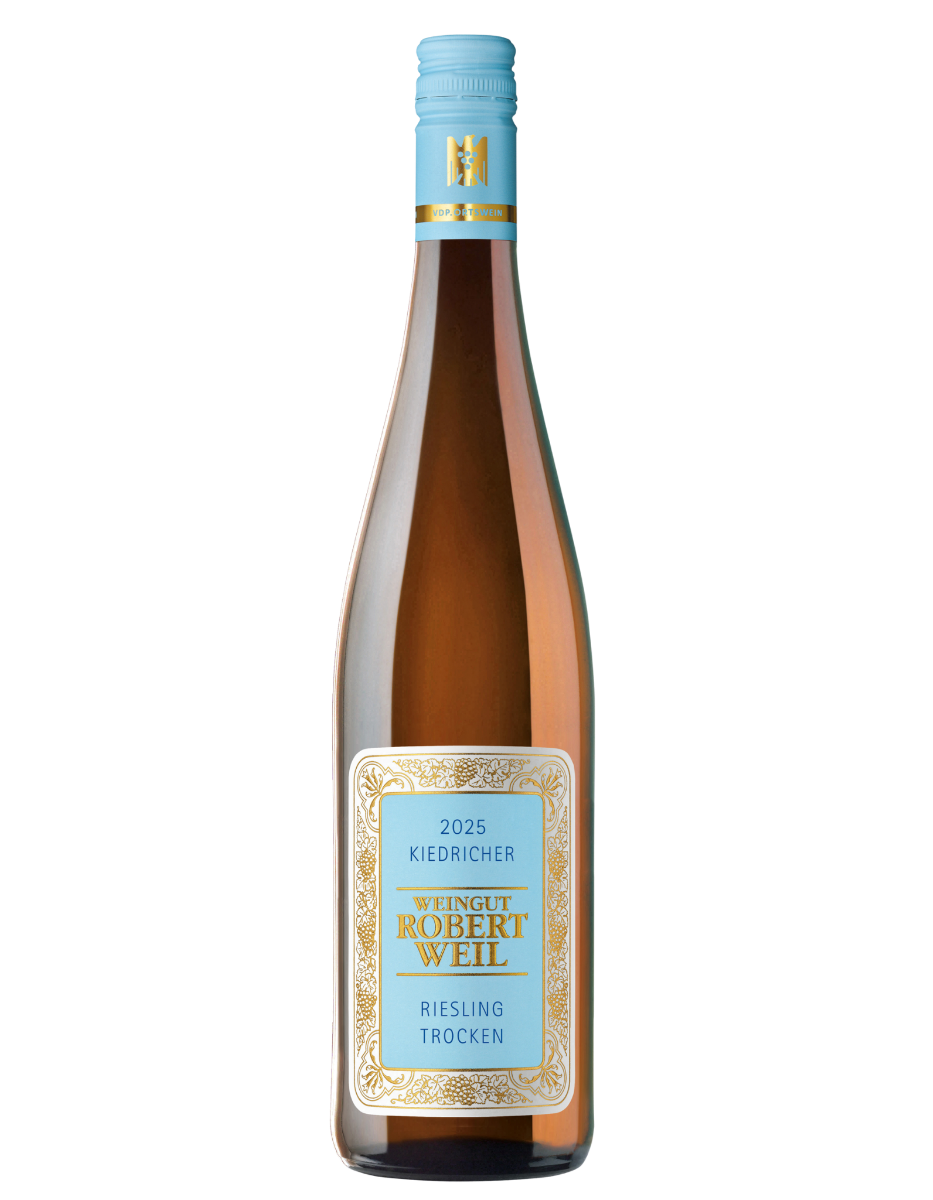
Riesling grapes from the estate's own Kiedrich hillside sites and the neighbouring vineyards below them, grown on phyllite and slate soils up to 240 metres above sea level; the wines carry the organic mark.
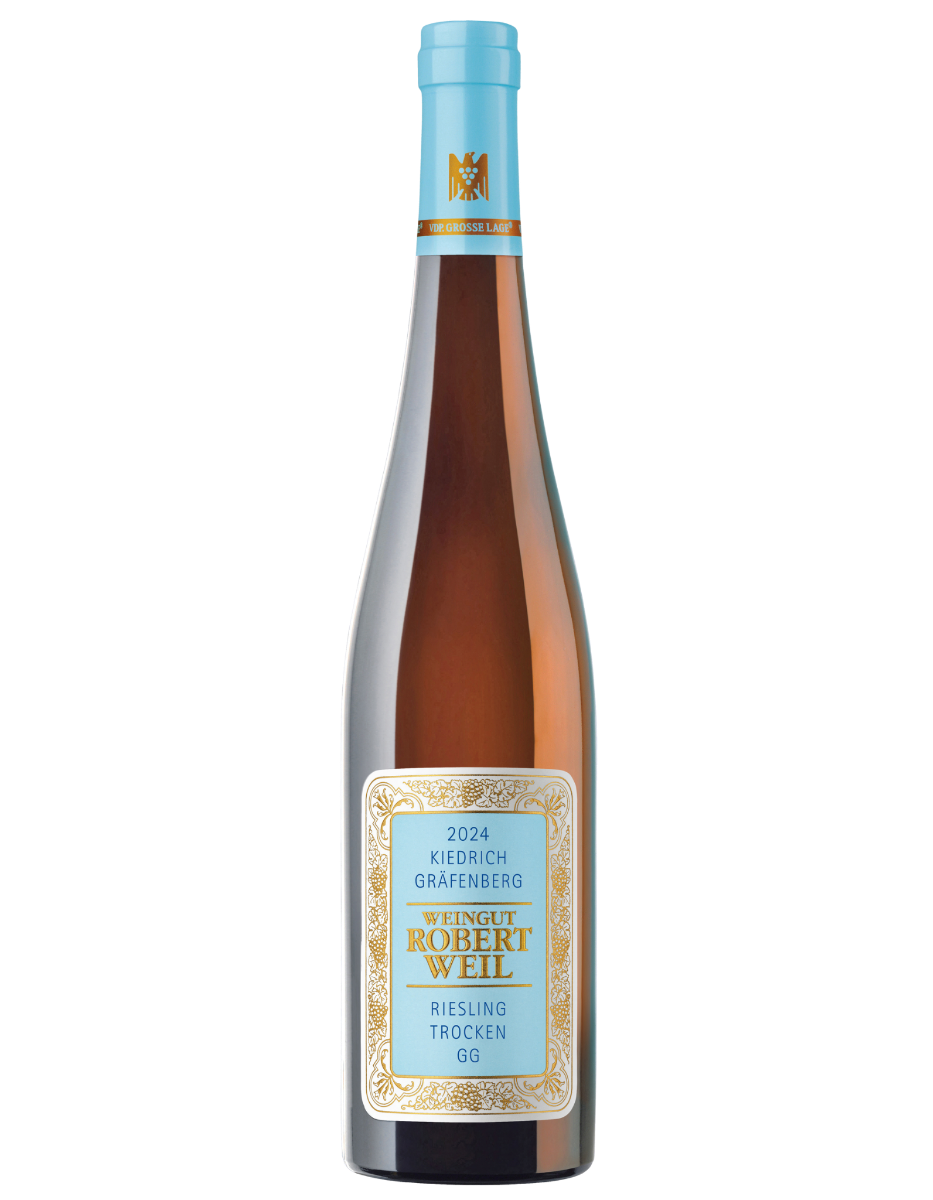
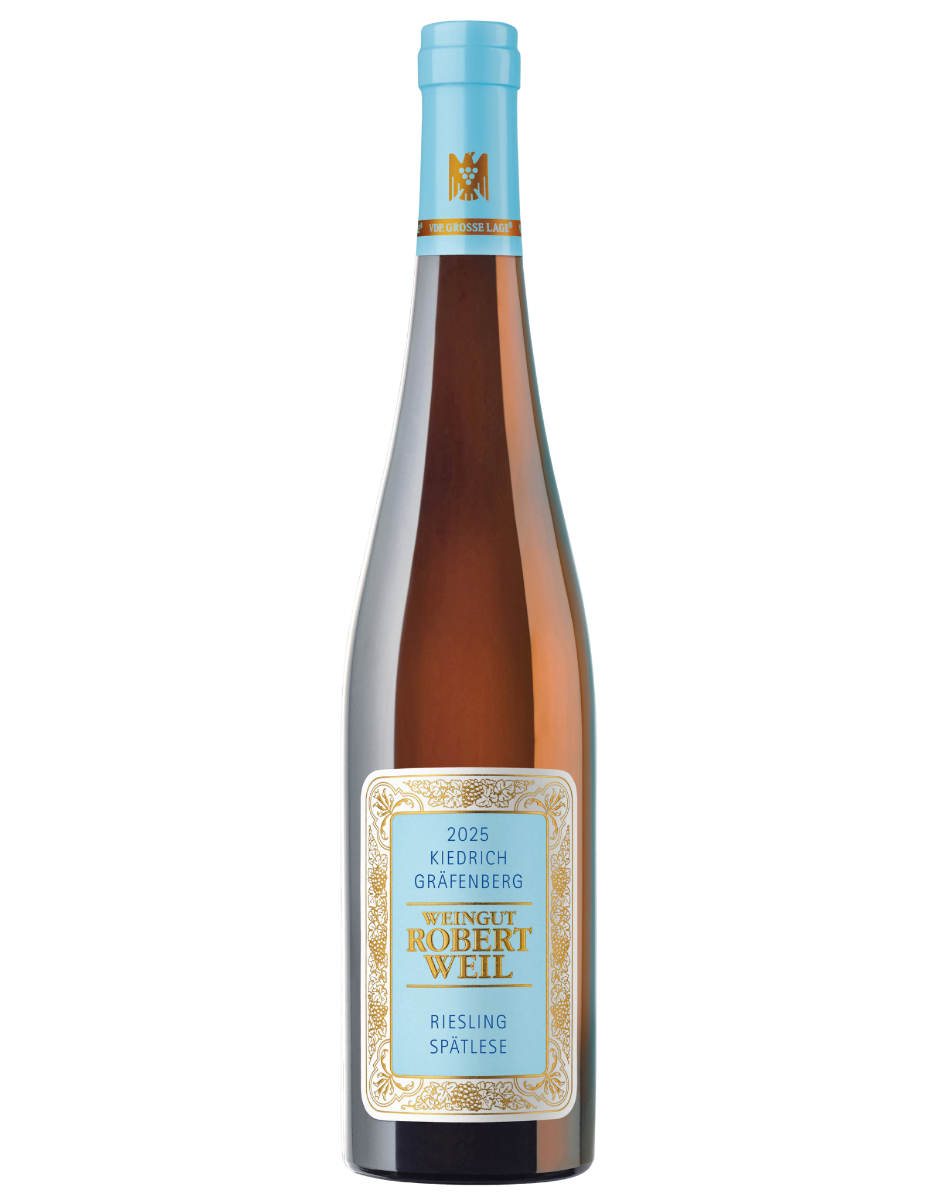
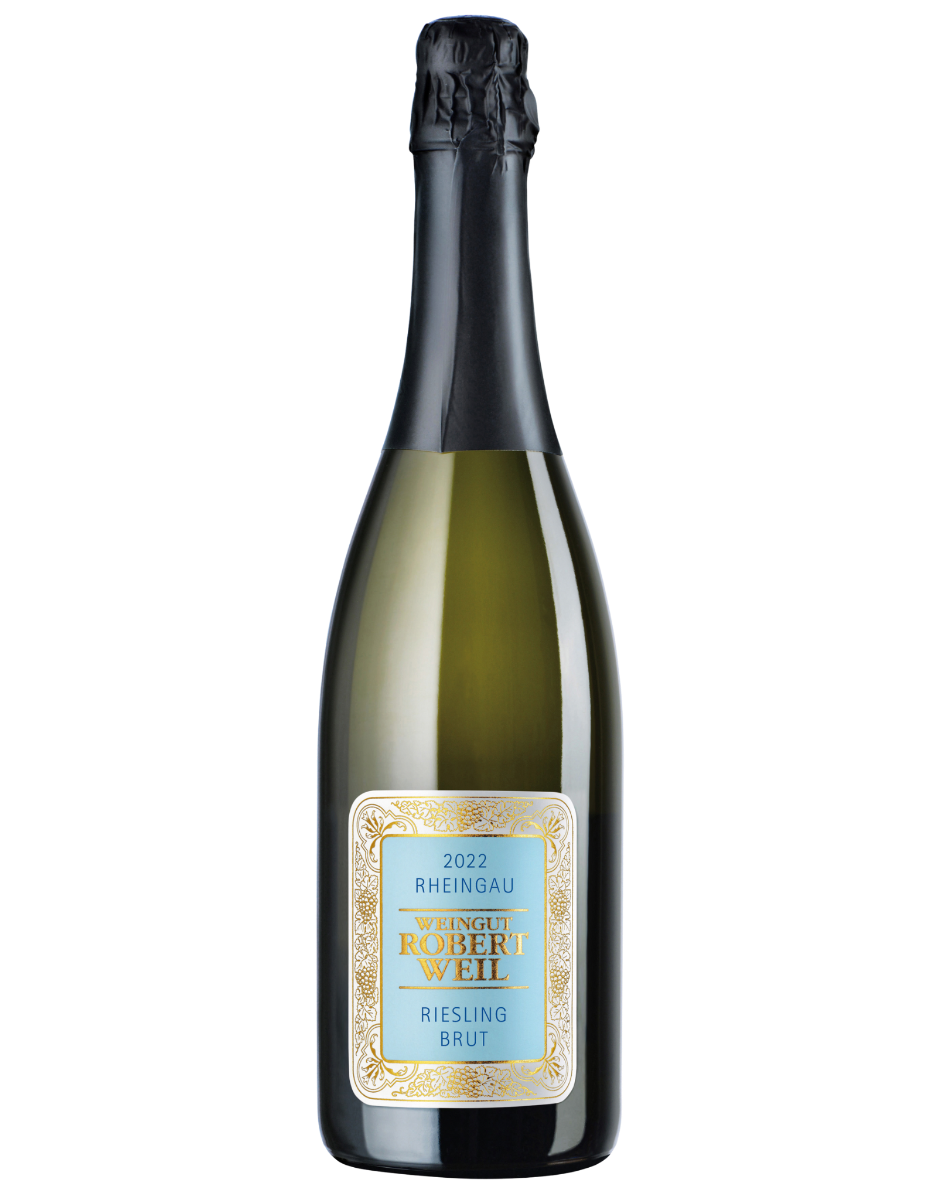
A Riesling-only estate whose Gräfenberg, first documented in 1109, is counted among Germany's great vineyards; the Grosses Gewächs ferments spontaneously in traditional 2,400-litre casks and rests on its full lees without sulphur until filtration, and the Sekt is dosed with the estate's own fruity-sweet Spätlese.
  • Estate Production
  • Traditional Methods

What they make

Business Details

The producer

Business Details

Legal Name
Weingut Robert Weil KG
Trading Name
Weingut Robert Weil
Ownership Type
Partnership
Year Established
1868

Wines

In the range

Visit & Contact

Find them

Address

Kiedrich, Hesse, Germany, Europe

Mühlberg 5

65399

Google Maps

Contact

Phone
Germany (+49) 6123 2308
Email
info@weingut-robert-weil.com

Service Availability

FAQ

Questions

Frequently Asked Questions

What is the history and founding story?

Dr. Robert Weil, a professor of German at the Sorbonne in Paris, bought his first vineyards in the Kiedricher Berg in 1867, left France before the war of 1870/71 and settled in Kiedrich. From 1875 he extended the estate with the best parcels of the Kiedrich hillside sites. Its Riesling Auslesen went to the imperial and royal courts of Europe; in 1893 the Vienna court bought 800 bottles of the 1893 Gräfenberg Auslese at 16 gold marks a bottle, and in 1928 a 1920 Kiedricher Gräfenberg Trockenbeerenauslese was on the wine list of the Graf Zeppelin's maiden flight to New York. Wilhelm Weil, the founder's great-grandson, has set the estate's course since 1987.

How does climate and terroir influence production?

The estate's three hillside sites — Kiedrich Klosterberg, Turmberg and Gräfenberg — lie up to 240 metres above sea level at the foothills of the Taunus, facing south-west on slopes of up to 60 percent. Sun, warmth from the poor stony soils and the winds from the Taunus allow long hang times into November. The soils carry phyllite, a metamorphic clay slate rich in minerals, with Devonian coloured slate and, in the Gräfenberg, loess loam that keeps the water supply balanced.

How can visitors book tours or tastings?

Visitors are welcome at the Vinothek in Kiedrich, and the estate offers exclusive wine tastings and events, booked through its own website; the current times are on the estate's site.