How the book presents them
The appendix of Trend Drinks describes the plants behind the drinks in the same way each time: the botany, how the plant is used, what folk tradition says about it, a symbol, and the flavours it goes well with, which the author calls harmonising mix partners. The health effects it mentions are traditional claims, not medical advice.
Verbena, fennel and ginger
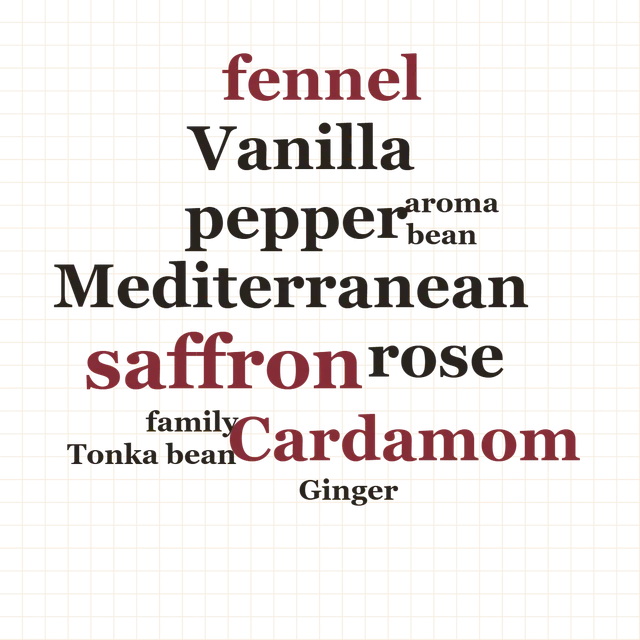
Verbena is a perennial herb with deep roots, traditionally taken for bronchitis, stress and sleeplessness; its symbol is protection and cleansing. Fennel comes from the Mediterranean and is in the umbellifer family; its seeds are brewed as a tea for the stomach, and in ancient Greece fennel was the symbol of success. It pairs with lavender, rose, geranium and sandalwood. Ginger reached China about 3,000 years ago and grows in tropical countries; only the rhizome is harvested, and it stands for strength and long life. It pairs with cardamom, coriander, clove, rose, cinnamon and lemon.
Kaffir lime leaf, chamomile and cardamom
Kaffir lime is a small Malaysian tree whose lemon-lime scented leaves are cut into fine strips in Asian cooking and are often used in perfumes. Chamomile is a daisy-family plant from southern and eastern Europe, brewed as a calming tea, and a symbol of hope, comfort and sometimes humility. Cardamom comes from southern India and Sri Lanka and is used as seed pods; crush the pod gently before mixing, which releases a eucalyptus and camphor-like scent. Buy it whole and keep it closed, because the aroma fades quickly. It is the third most precious spice after saffron and vanilla.
Lavender, Madagascar pepper and muscovado
Lavender grows around the Mediterranean; its name probably comes from the Latin lavare, to wash, and it symbolises purity and faithfulness. Madagascar pepper tastes of pine nuts and a hint of green fruit. Muscovado sugar from Mauritius has a nutty caramel aroma. Orange blossom water is distilled from fresh orange blossom buds, and rose water is made from distilled water and rose extract and is common in the cooking of the Near East.
Rosemary, saffron, shiso and Szechuan pepper
Rosemary is a Mediterranean half-shrub with needles that taste of fir. The author advises at most half a sprig per drink, otherwise the cocktail becomes too bitter. Saffron is the dried stigma of the saffron crocus, and 150,000 to 200,000 flowers are needed for a kilo; in ancient Rome it stood for great wealth. Shiso, the sesame leaf or black nettle, tastes of coriander, mint and sesame. Szechuan pepper is related to citrus, tastes lemony and hot, and in large doses numbs.
Thyme, tonka bean, vanilla and juniper
Thyme is a low Mediterranean herb whose Greek name thymos means courage and strength. Tonka bean is the almond-shaped seed of a tree from northern South America; it tastes of almond and vanilla but is a little more bitter and should be used sparingly, and it is the symbol of protection. Vanilla is an orchid; the pods are picked yellow-green and develop their aroma only after steaming and fermentation, which makes it the second most expensive spice. Juniper berries come from a tree in the cypress family, taste spicy and resinous, and smell strongly only when crushed.
Recipes from this book
The drinks that use these plants are collected on this site as drafts until we have permission to publish them.