A fruit distillery in Freudenberg am Main that began in 1865 as a brewery with the right to distil and still works at its founding site. Brennerei Ziegler double-distils fruit brandies from wild cherries, pears, plums, raspberries and other fruit, many gathered wild by fruit pickers in southern Germany, ages some of them in chestnut and oak, and makes liqueurs, the Freud single malt whiskies and Freud gins.
- Raw materials
- Fully ripe fruit from good sites, most of it from the region: wild cherries, elderberries and wild quinces from fruit growers of the Untermain who have worked for the distillery for decades, and wild fruit — wild cherries, wild morello, mirabelles, quinces, wild plums, sloes and elderberries — gathered by experienced cone pickers in areas only they know; Williams pears from the Vinschgau, Burgenland and Styria, hazelnuts from Piedmont, and spring barley malt for the whisky.
- What makes it distinctive
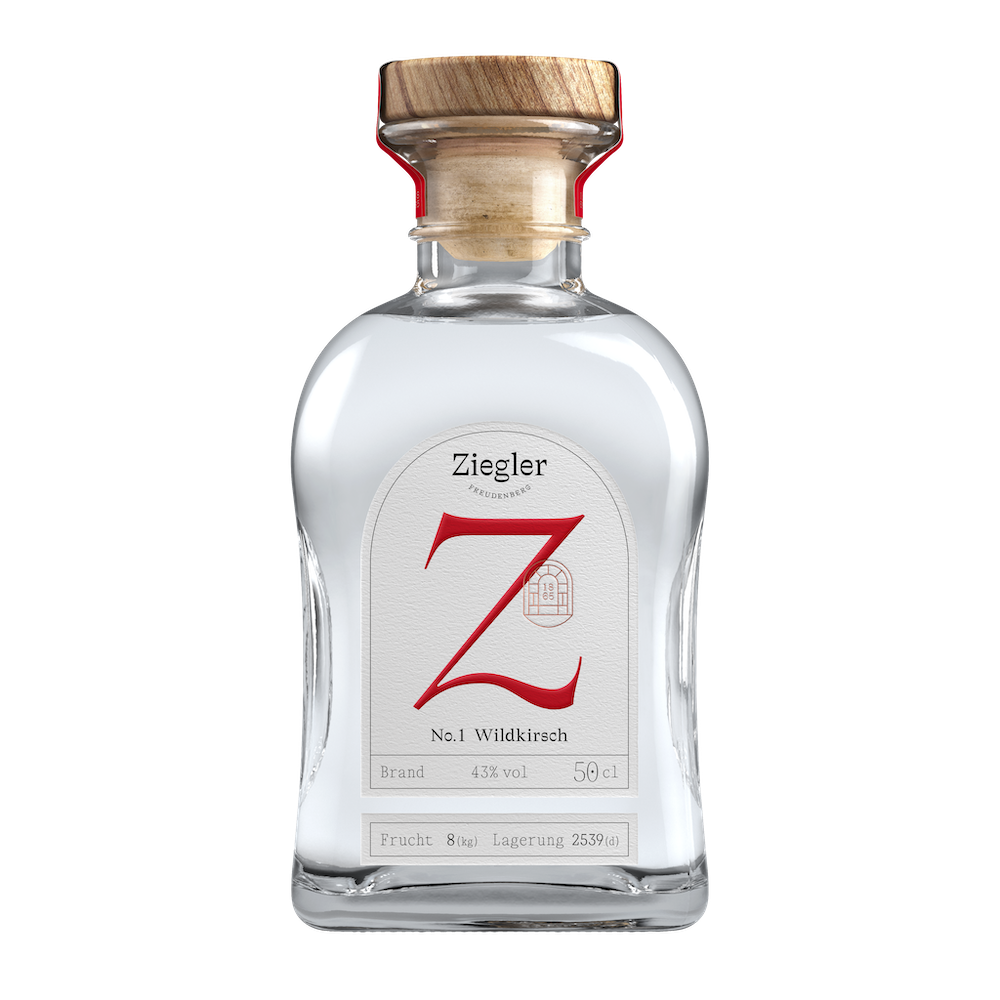
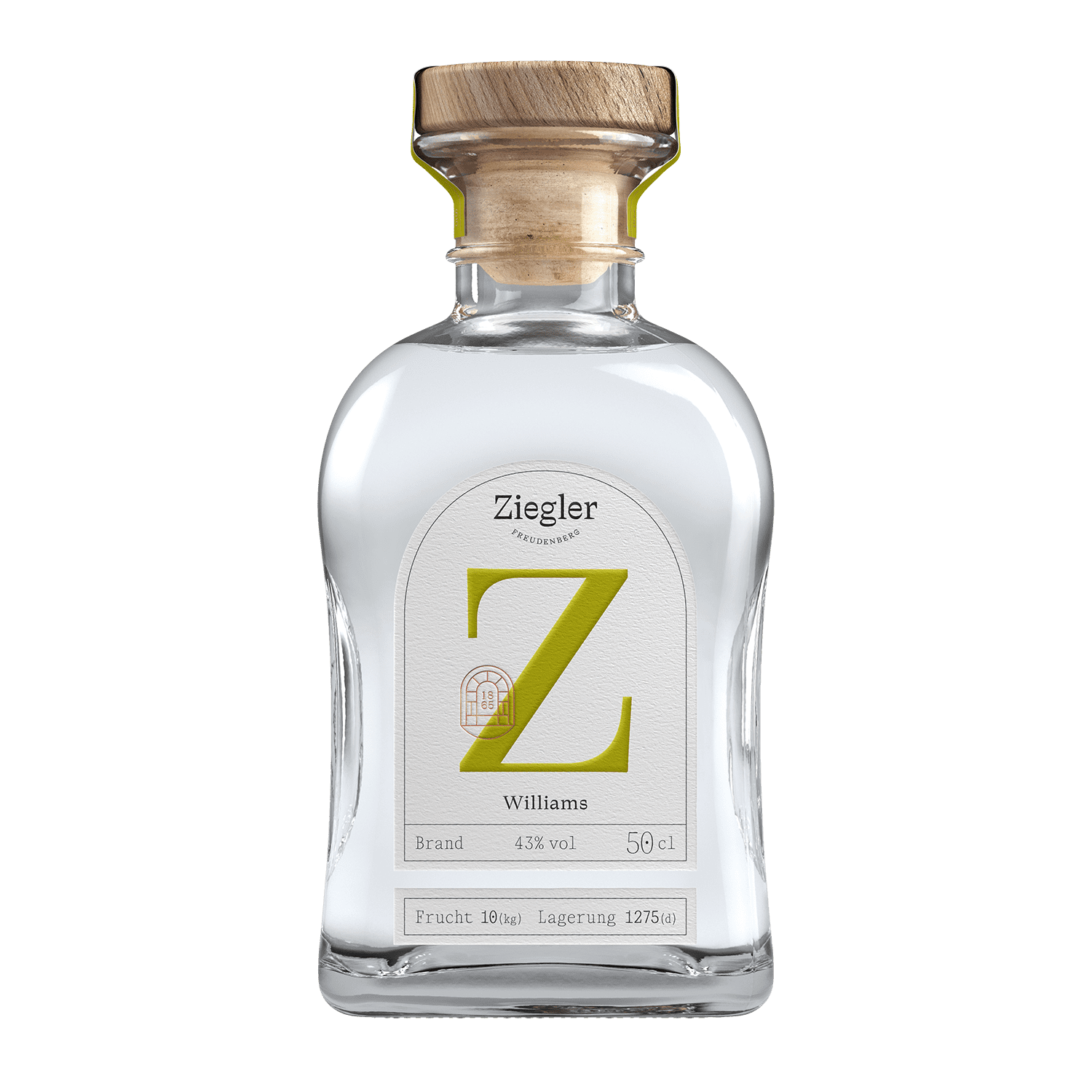
- The fruit is sorted by hand and fermented in purpose-built stirred tanks, then double-distilled; the cut of the heart from the fine spirit is made by the distiller's nose alone, as Ziegler tradition has it. The fruit share in kilograms and the storage time in days are printed on every bottle, the brandies come in 50 cl and 3-litre bottles, and rarities from 1938 onwards rest in the rock cellar. For each bottle of the Freudenberger cuvée, five euros go to the Ziegler Wildwiesen fund for meadow orchards and native species.
- Production methods
- Handcrafted
- Traditional Methods
What they make
- Fruit BrandyFruit brandies in 50 cl and 300 cl bottles — the No.1 Wildkirsch, Williams, Alte Zwetschge aged in chestnut and oak, Waldhimbeer, Marille, Mirabelle, Sauerkirsch, Alter Apfel, the Freudenberger meadow-orchard cuvée and the Sarto pomace brandy — and vintage rarities from 1938 onwards kept in the rock cellar.
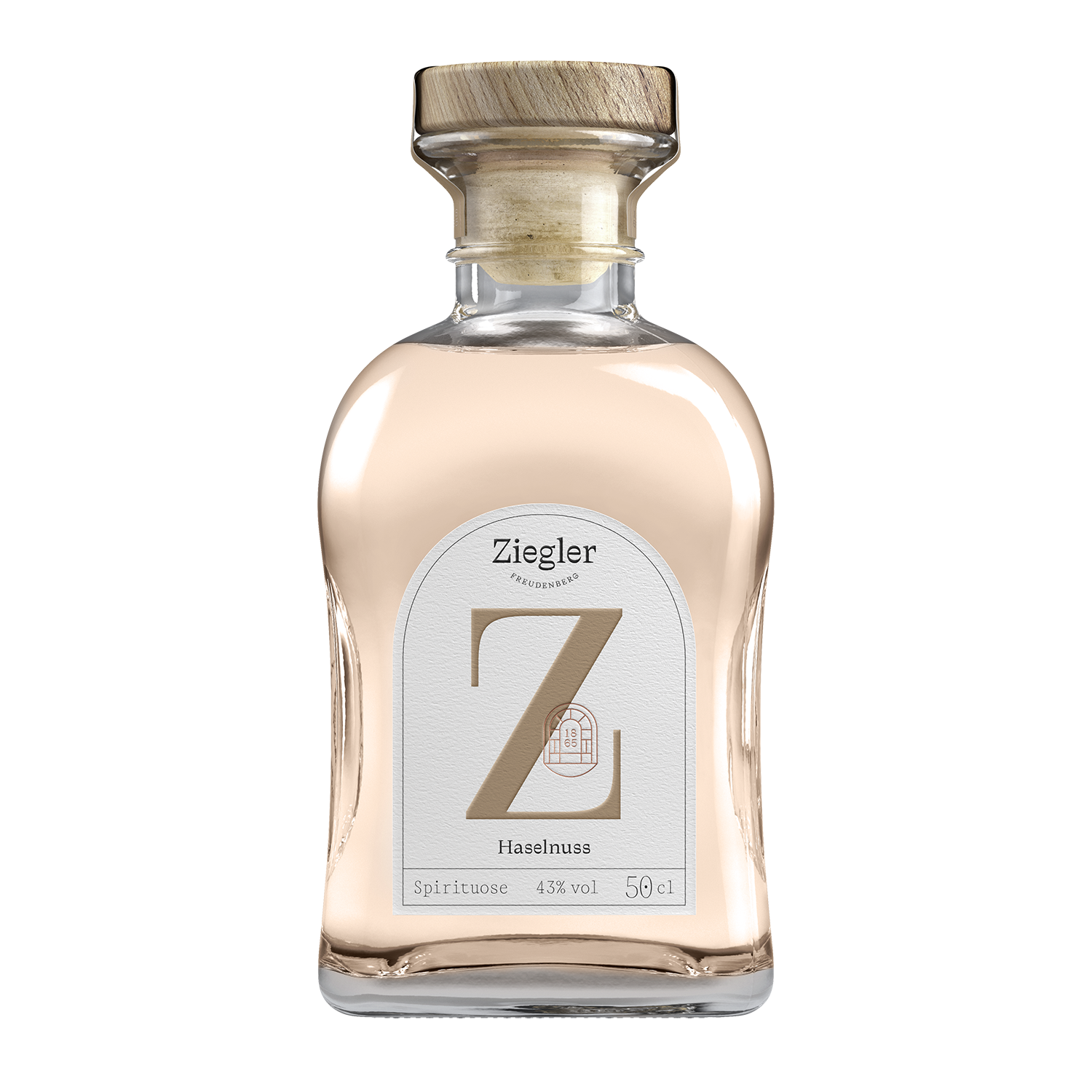
- Hazelnut SpiritThe Haselnuss spirit from Piedmont hazelnuts, refined with tonka beans.
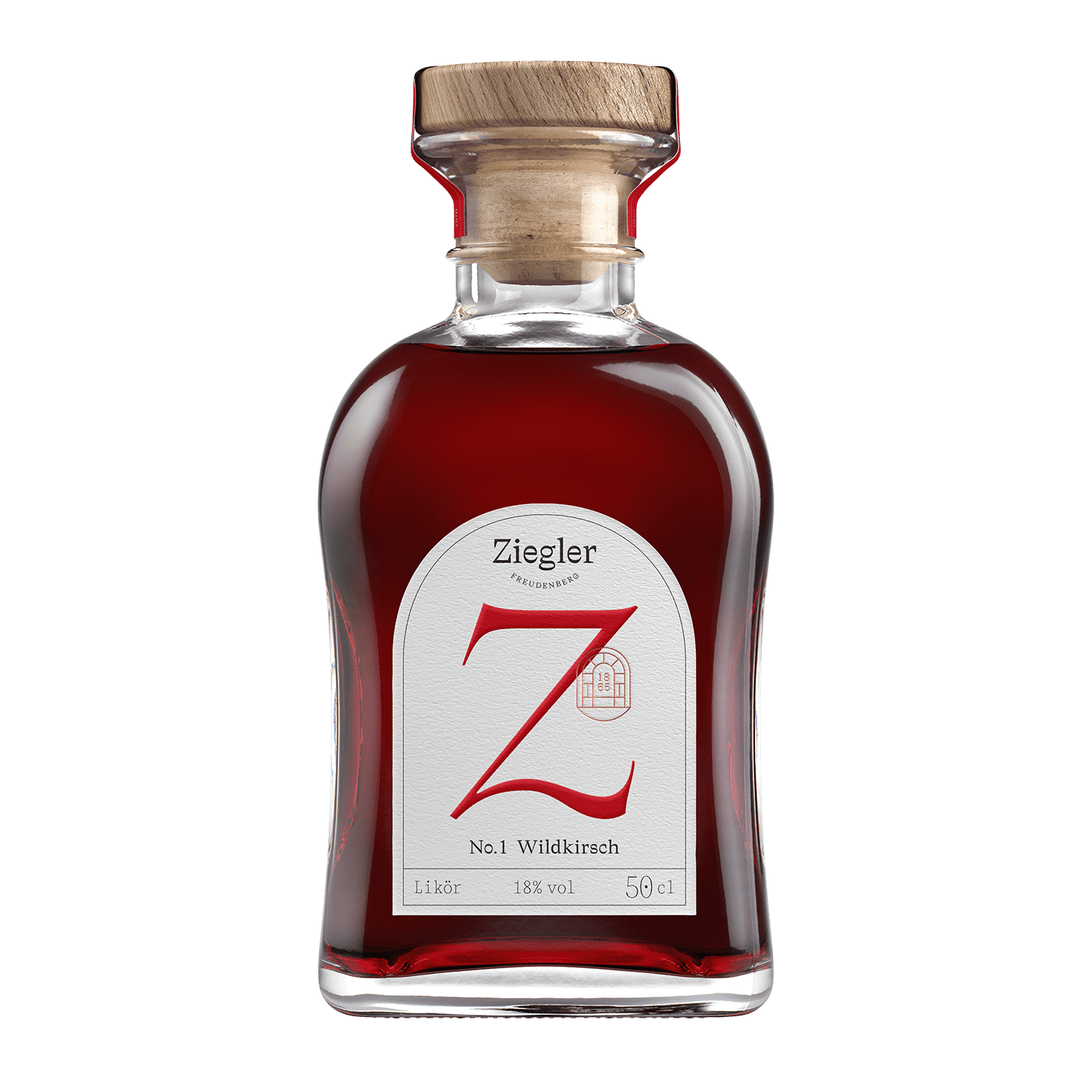
- LiqueursLiqueurs: the No.1 Wildkirschlikör, a vineyard peach liqueur and the Ultimo wild herb liqueur.
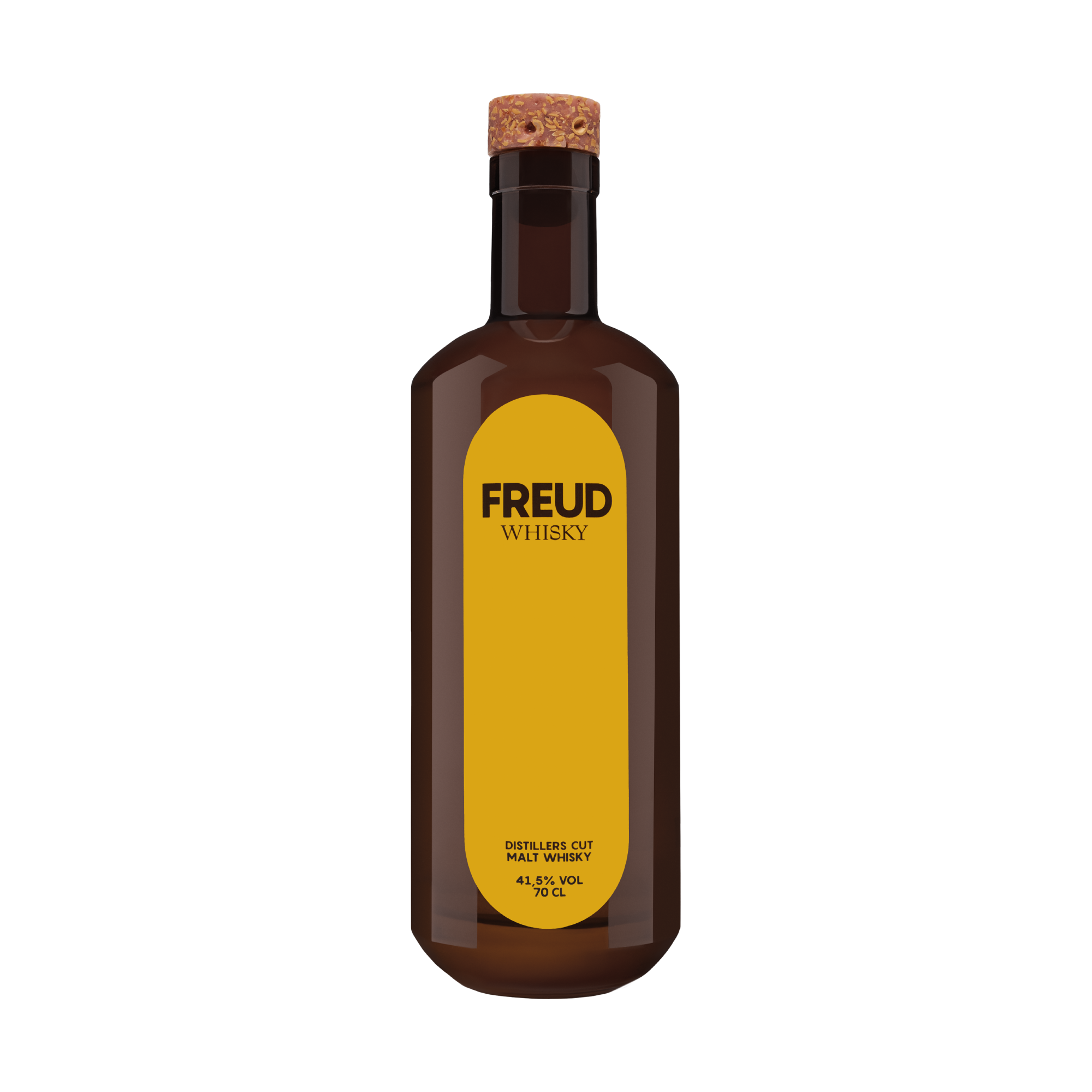
- WhiskiesFreud single malt whisky, distilled in Freudenberg since 2008 as the first single malt of the Untermain: the Distillers Cut, five years in chestnut, ex-bourbon and sherry casks, and the ten-year Distillers Decade, both finished in Alte Zwetschge casks.
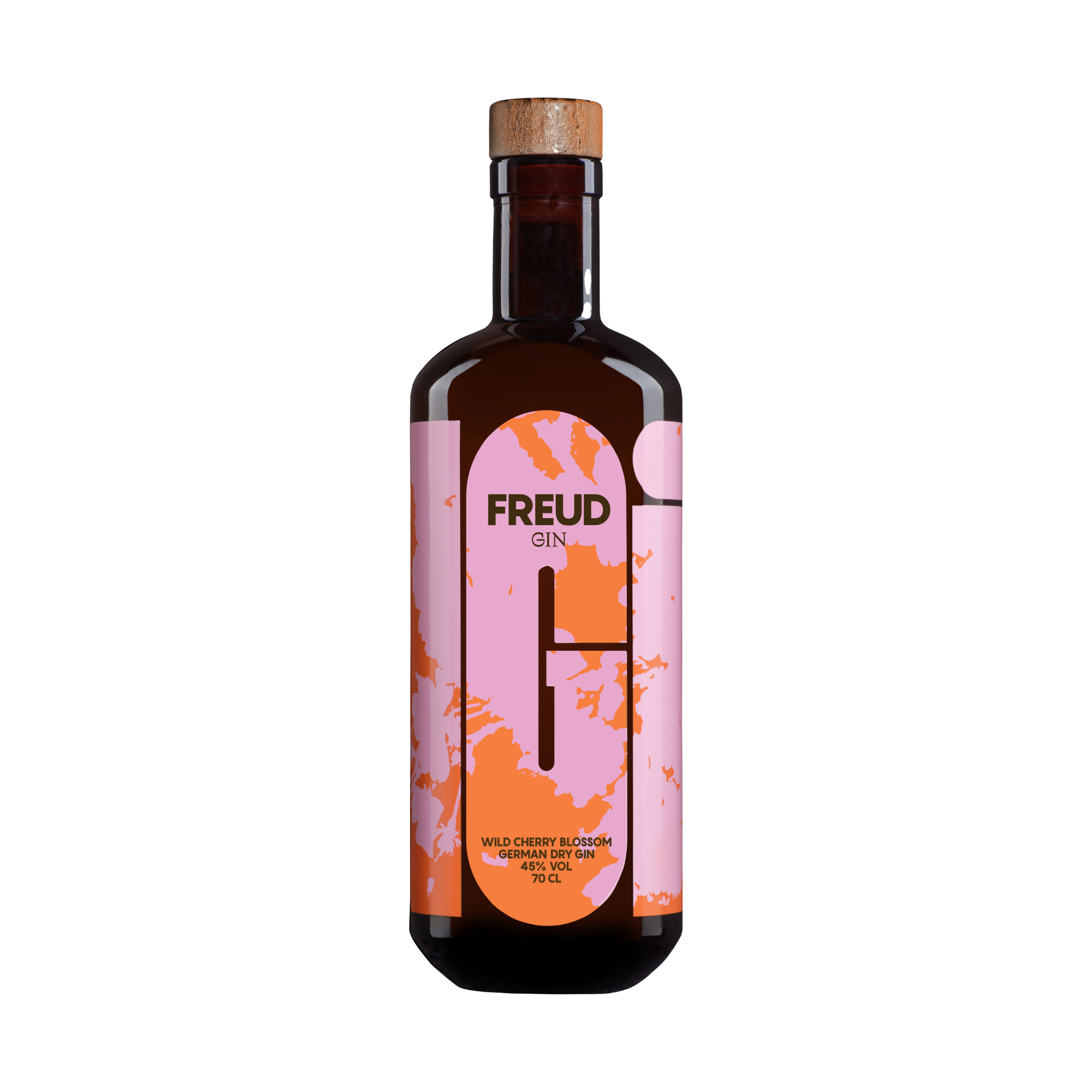
- GinsFreud gins: the Wild Cherry Blossom dry gin with Tuscan juniper, and the limited Freud Wolf Gin drops.