Producer

Weingut Dr. Loosen

  • OwnershipSole Proprietorship
Weingut Dr. Loosen

About the producer

Their story

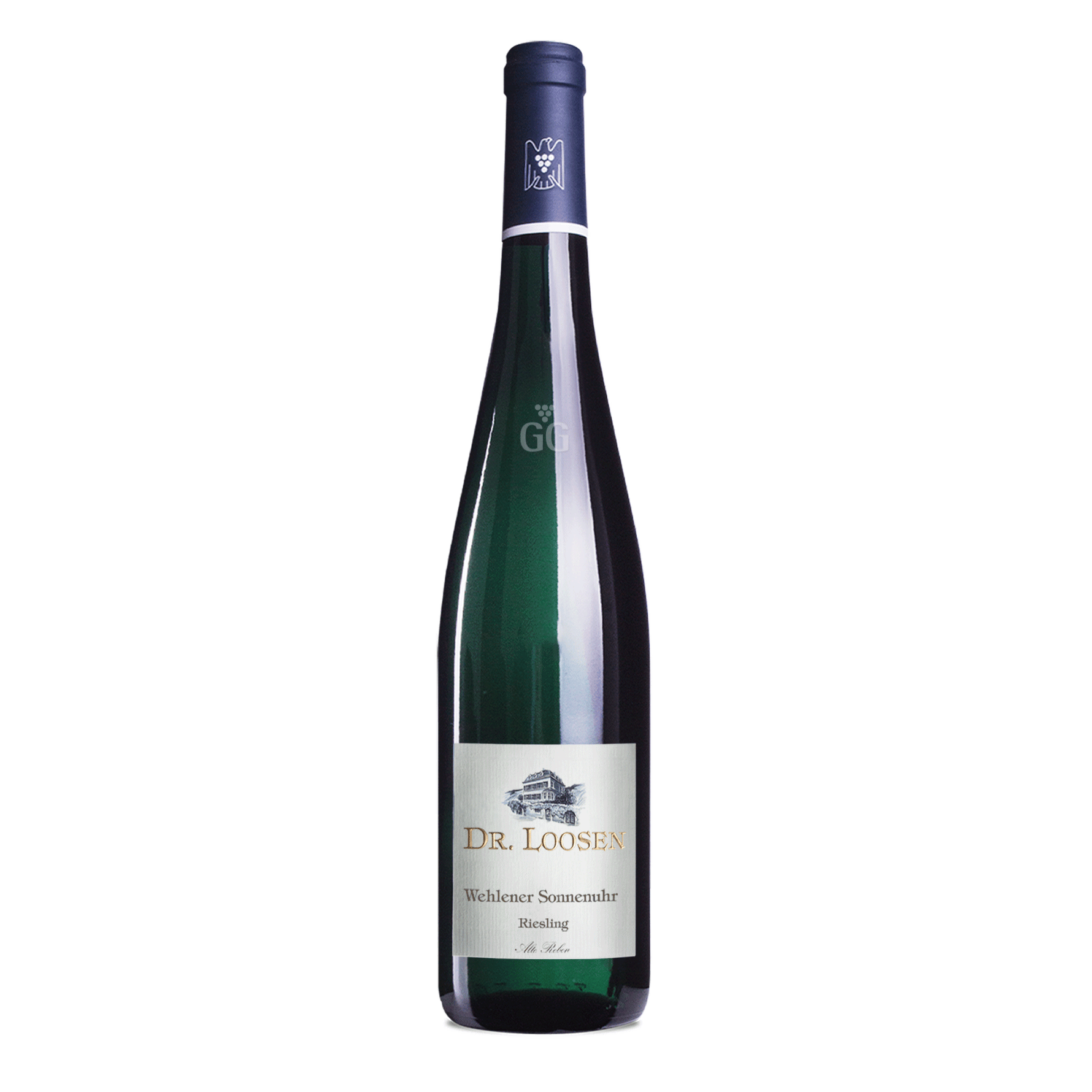
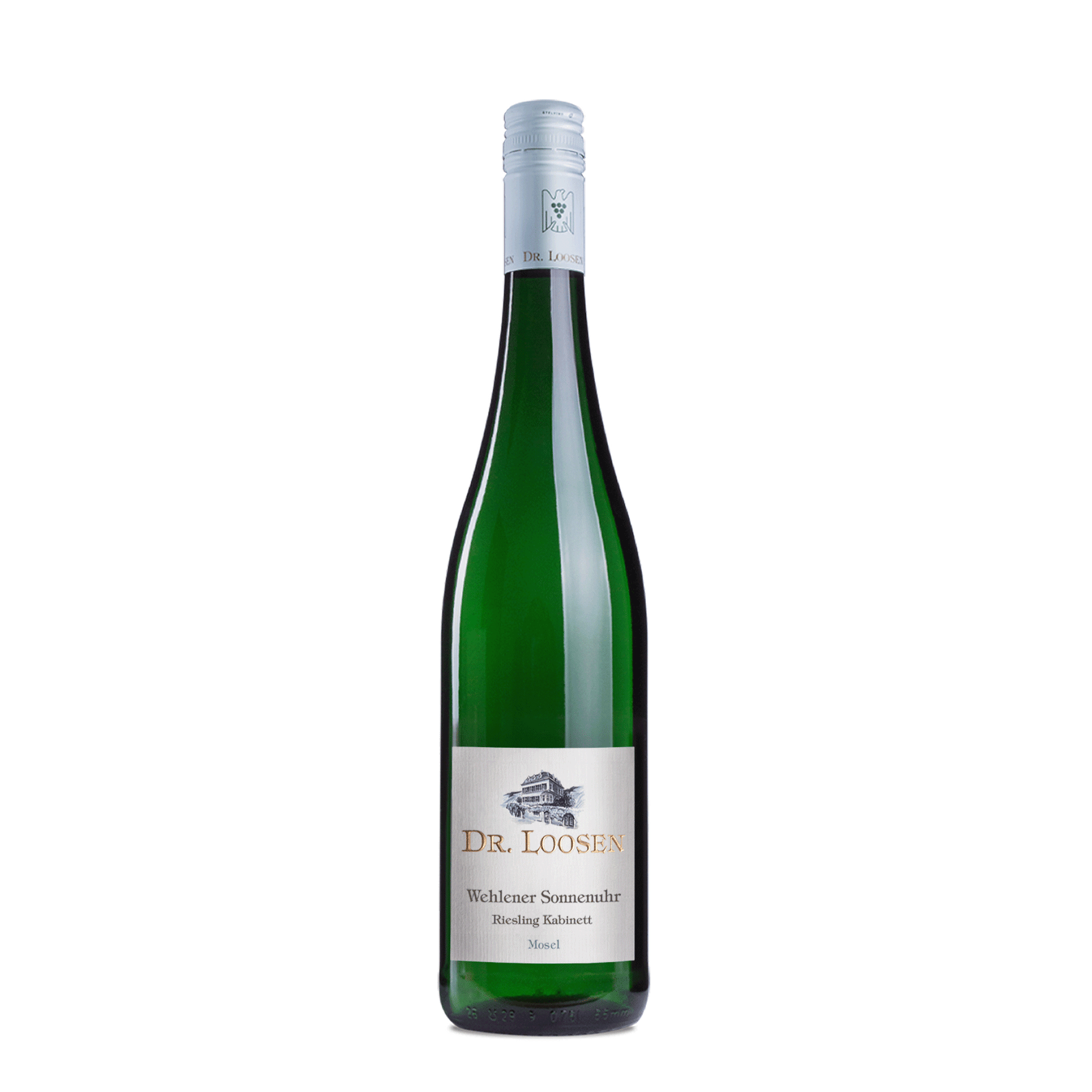
Weingut Dr. Loosen in Bernkastel is the Middle Mosel's ambassador of the rediscovered German Riesling culture: family-owned for more than 200 years, run by Ernst F. Loosen since 1988, with ungrafted old vines in historic steep slate sites such as the Wehlener Sonnenuhr and the Erdener Treppchen.

Riesling grapes from the estate's own steep, south-facing slate sites of the Middle Mosel — blue slate, red slate and volcanic rock — where every owned parcel is still planted with ungrafted vines, many more than a century old; for the dry wines only hand-selected, healthy grapes free of botrytis are used.
Winemaking in the Mosel tradition of around 1900: spontaneous fermentation in wooden Fuder casks, twelve or 24 months on the full lees without bâtonnage, and ungrafted vines often older than 100 years — with a 1981 Wehlener Sonnenuhr Spätlese kept 27 years in cask as the estate's 'Benjamin Button wine'.
  • Estate Production
  • Traditional Methods

What they make

Business Details

The producer

Business Details

Legal Name
Weingut Dr. Loosen
Trading Name
Dr. Loosen
Ownership Type
Sole Proprietorship

Wines

In the range

Visit & Contact

Find them

Address

Bernkastel-Kues, Rhineland-Palatinate, Germany, Europe

St. Johannishof

54470

Contact

Phone
Germany (+49) 6531 3426
Email
info@drloosen.de

Service Availability

FAQ

Questions

Frequently Asked Questions

What is the history and founding story?

Weingut Dr. Loosen at the St. Johannishof in Bernkastel has been in the family for more than 200 years. Ernst F. Loosen has run it since 1988, taking over an inheritance of ungrafted old vines in historic top sites of the Middle Mosel; the estate has been a member of the VDP since 1993 and is seen internationally as a flagship of the rediscovered German Riesling culture.

How does climate and terroir influence production?

The estate farms steep, south-facing slate slopes along the Mosel — blue slate, red slate and volcanic rock. The south slope gets sun from morning to evening, the river reflects light into the vineyard by day and gives back stored warmth at night, and the long growing season lets the grapes ripen slowly while keeping their acidity. The stony, potassium-rich slate stores heat and gives Mosel Riesling its mineral, lively character. Seven of the estate's sites were rated top sites in the Trier vineyard map of 1868, and since 1988 only Rieslings from these classified sites are bottled under a vineyard name.

What unique production methods are used?

Dr. Loosen makes wine in the Mosel tradition of around 1900. Since the 2008 vintage all dry wines ferment spontaneously in traditional wooden Fuder casks and stay on their full lees for twelve months without bâtonnage; since 2011 the wines from the best and oldest ungrafted sites on three different soils rest 24 months on the full lees and are released after two to three years in bottle. Every vineyard parcel the estate owns is still planted with ungrafted vines, many more than 100 years old.

What sustainability practices are implemented?

The estate is certified under EcoStep, a system that joins quality, environmental, occupational-safety and health management and promotes the sustainable development of wine estates. Its integrated quality management meets the core requirements of ISO 9001 and follows ISO 22000, ISO 14001 and ISO 45001, and it receives EU support for environmentally friendly farming of steep and very steep slopes.